Introduction
In the realm of medical equipment, network connectivity is a critical component that ensures the reliable and high-fidelity transmission of data, light, and power. Optical fibers play a pivotal role in this domain, with two primary types: standard and radiation-resistant. This article delves into the key differences between these two types, focusing on their applications, performance, and compliance with industry standards such as ISO 10993.
Standard Optical Fibers in Medical Applications
Standard optical fibers are widely used in various medical devices, from endoscopes to diagnostic imaging systems. These fibers are designed to transmit light and data with minimal loss, ensuring high-quality images and accurate data transmission. However, they may not be suitable for all medical environments, particularly those involving radiation exposure.
Key Features of Standard Optical Fibers
- High-fidelity data and light transmission
- Low signal loss
- Cost-effective solution for non-radiation environments
Radiation-Resistant Optical Fibers: A Necessity in Radiology
Radiation-resistant optical fibers are specifically engineered to withstand the harsh conditions of radiological environments. These fibers are essential in medical devices used in radiation therapy, such as linear accelerators and CT scanners. The ability to maintain performance under high levels of radiation exposure is crucial for the safety and reliability of these devices.
Key Features of Radiation-Resistant Optical Fibers
- Enhanced durability under radiation exposure
- Maintains high-fidelity transmission in challenging environments
- Compliance with ISO 10993 for biocompatibility
ISO 10993 Compliance and Biocompatibility
One of the most critical aspects of optical fibers in medical applications is their biocompatibility. ISO 10993 is an international standard that sets out the requirements for the biological evaluation of medical devices. Both standard and radiation-resistant optical fibers must meet these stringent criteria to ensure they do not cause adverse reactions when in contact with human tissue.
Ensuring Patient Safety
Biocompatibility is paramount in medical devices, as any material that comes into contact with the patient must be safe and non-toxic. Winners Communication, a global leader in specialty optical fiber manufacturing, places a strong emphasis on meeting and exceeding these standards. Their precision engineering and strict quality control processes ensure that their fibers are not only high-performing but also fully compliant with ISO 10993.
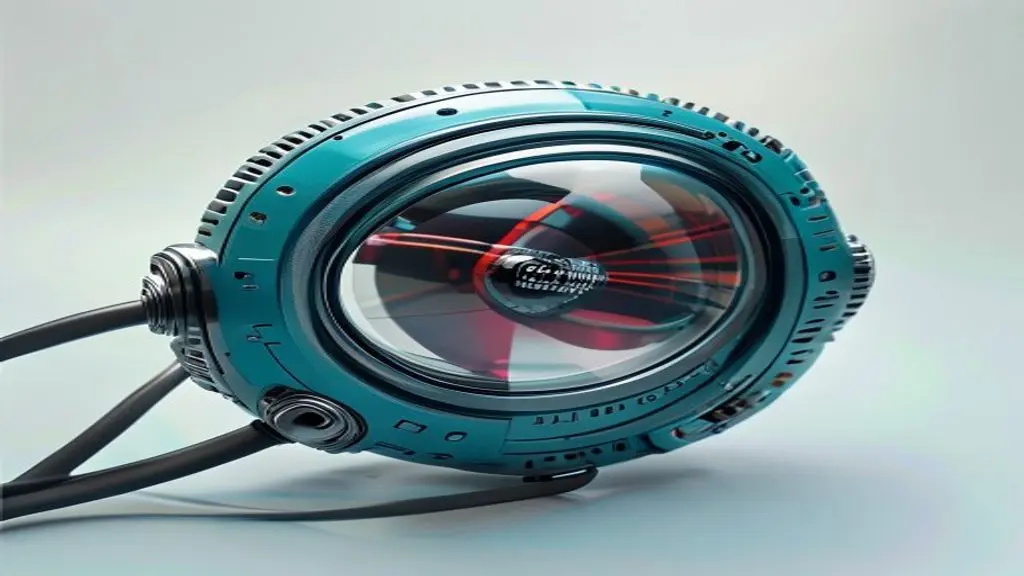
Image Caption: A close-up view of a radiation-resistant optical fiber, highlighting its robust construction and biocompatible materials.
Performance and Reliability in Demanding Environments
Medical environments are among the most demanding, requiring optical fibers that can perform reliably under extreme conditions. Radiation-resistant fibers from Winners Communication are designed to withstand high levels of radiation without compromising their integrity or performance. This makes them an ideal choice for applications in radiology, where consistent and accurate data transmission is essential.
Comparing Performance Metrics
When comparing standard and radiation-resistant optical fibers, several key performance metrics come into play. These include signal attenuation, bandwidth, and resistance to environmental factors such as temperature and radiation. While standard fibers excel in non-radiation environments, radiation-resistant fibers offer superior performance in radiological settings, ensuring that medical devices function optimally even under the harshest conditions.
Conclusion
The choice between standard and radiation-resistant optical fibers in medical equipment depends on the specific application and environmental conditions. For non-radiation environments, standard fibers provide a cost-effective and high-performance solution. In radiological settings, radiation-resistant fibers from Winners Communication offer the necessary durability and biocompatibility to ensure reliable and safe operation. By adhering to ISO 10993 standards and employing precision engineering, Winners Communication continues to set the benchmark for high-quality optical fiber solutions in the medical industry.
Write your comment