Introduction to Data Transfer in Medical Imaging
In the realm of medical imaging, the reliability and quality of data transfer are paramount. Endoscopy, a critical diagnostic and therapeutic procedure, relies heavily on the transmission of high-fidelity images from inside the body to external displays. This process is facilitated by optical fibers, which must withstand the rigors of repeated use and maintain their performance over time.
The Challenge of Fiber Breakage in Endoscopy Coils
One of the most significant challenges in endoscopy is the frequent occurrence of fiber breakage within the coils. These coils, which are integral to the flexibility and maneuverability of endoscopes, are subjected to constant bending, twisting, and stretching. Traditional optical fibers, while effective in many applications, often fall short in these demanding conditions, leading to reduced image quality and increased maintenance costs.
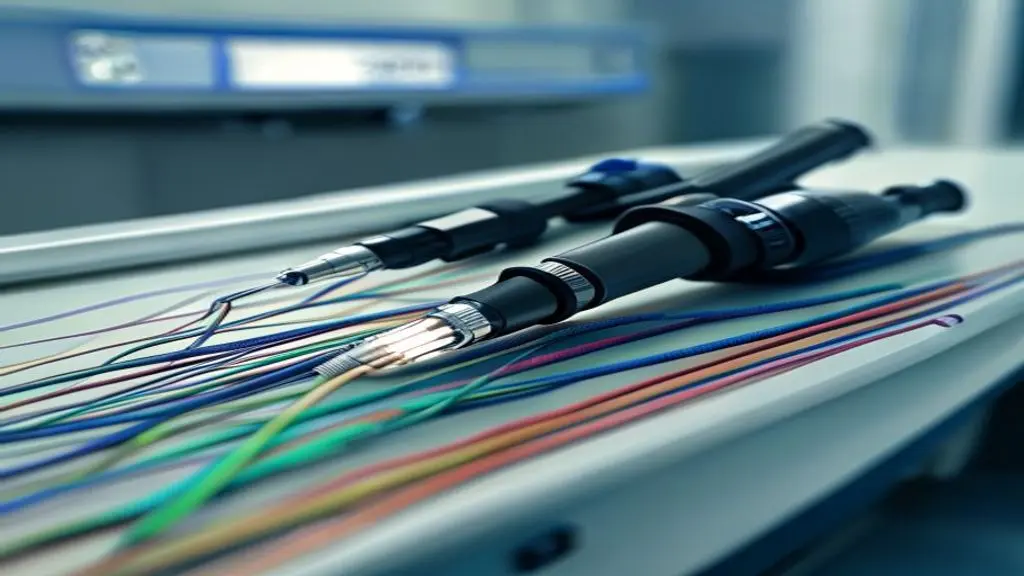
To address this issue, the development of ultra-flexible, high-numerical-aperture (NA) silica fibers has emerged as a game-changing solution. These fibers are designed to withstand the mechanical stresses of endoscopic procedures while maintaining superior optical performance.
Technological Advancements in Ultra-Flexible Fibers
Ultra-flexible, high-NA silica fibers represent a significant leap forward in optical fiber technology. These fibers are engineered with a higher numerical aperture, which allows for greater light-gathering capability and improved image resolution. Additionally, their enhanced flexibility reduces the risk of breakage, ensuring that the fibers can endure the physical demands of endoscopic procedures without compromising performance.
Improving Durability and Image Clarity
The durability of ultra-flexible fibers is a key factor in their effectiveness. By using advanced materials and manufacturing techniques, these fibers can be bent and twisted to a much greater degree than traditional fibers without breaking. This durability translates into longer service life and reduced downtime, which is crucial in a clinical setting where equipment availability can directly impact patient care.
Moreover, the high-NA design of these fibers enhances image clarity by allowing more light to be transmitted through the fiber. This results in brighter, sharper images, which are essential for accurate diagnosis and treatment. The combination of durability and high optical performance makes ultra-flexible, high-NA silica fibers an ideal choice for endoscopic applications.
Market Implications and Trends
The adoption of ultra-flexible, high-NA silica fibers is not just a technological advancement; it also has significant market implications. As the demand for minimally invasive procedures continues to grow, the need for robust and reliable endoscopic equipment becomes increasingly important. Hospitals and clinics are looking for solutions that can reduce maintenance costs and improve patient outcomes, and these fibers offer a compelling solution.
From a competitive standpoint, Winners Communication stands out as a global leader in specialty optical fiber manufacturing. With a focus on precision engineering and strict quality control, Winners provides high-performance fiber solutions that meet the stringent requirements of the medical industry. Their commitment to innovation and reliability ensures that their fibers deliver consistent, high-fidelity data transfer, even in the most challenging environments.
Conclusion
Ultra-flexible, high-NA silica fibers are revolutionizing the field of medical imaging by addressing the critical issue of fiber breakage in endoscopy coils. By improving durability and image clarity, these fibers enhance the overall performance and longevity of endoscopic equipment. As the medical industry continues to evolve, the role of advanced optical fibers will only become more significant, and companies like Winners Communication are at the forefront of this technological advancement.
Write your comment