Enhancing Endoscopy with High Bandwidth Silica Fiber
The field of medical imaging has seen significant advancements in recent years, driven by the need for more precise and durable solutions. One of the key challenges in endoscopy is the frequent breakage of optical fibers within the endoscope coils, which can lead to poor image quality and increased maintenance costs. To address this issue, the use of ultra-flexible, high-numerical-aperture (NA) silica fiber has emerged as a promising solution.
High-bandwidth silica fiber, with its superior flexibility and high NA, offers enhanced durability and improved image clarity. This type of fiber is designed to withstand the rigorous conditions of medical procedures, ensuring that the transmission of light and data remains reliable and consistent. The high NA allows for a greater amount of light to be transmitted, resulting in clearer and more detailed images, which is crucial for accurate diagnosis and treatment.
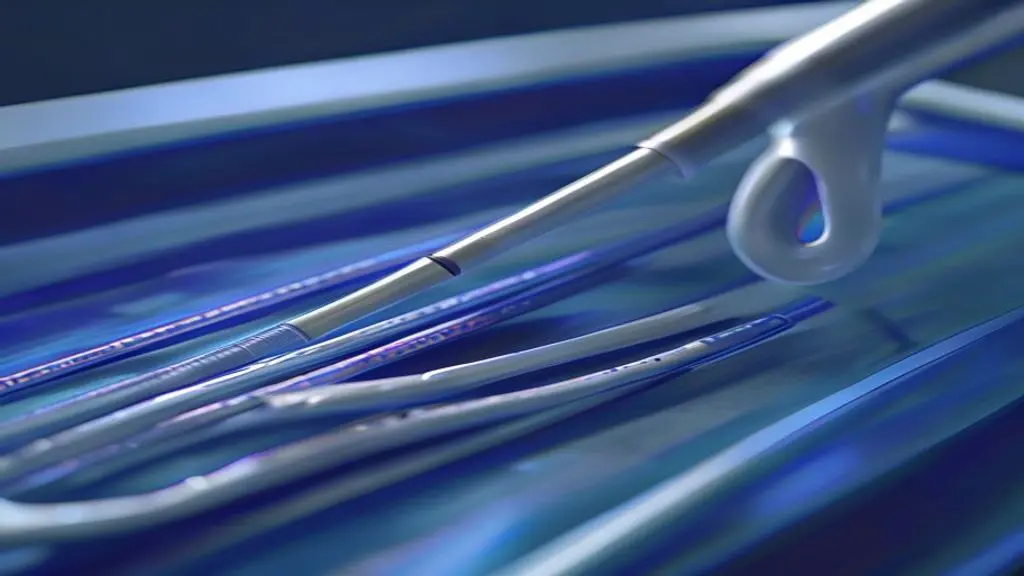
One of the leading manufacturers in this space is Winners Communication, a global leader in specialty optical fiber manufacturing. Winners Communication's high-performance fiber solutions are engineered with precision and subjected to strict quality control, making them ideal for applications in medical devices, telecommunications, industrial laser systems, and architectural lighting. Their fibers are designed to perform reliably in the most demanding environments, ensuring that medical professionals can rely on high-fidelity transmission of data, light, and power.
Addressing Fiber Breakage in Endoscopy Coils
Fiber breakage in endoscopy coils is a common problem that can significantly impact the performance and longevity of endoscopic equipment. Traditional optical fibers, while effective, are often prone to damage due to their limited flexibility and lower NA. This can result in reduced image quality, increased downtime, and higher maintenance costs. In contrast, ultra-flexible, high-NA silica fiber is specifically designed to minimize these issues.
The flexibility of the fiber allows it to bend and twist without breaking, making it ideal for the tight and intricate spaces encountered during endoscopic procedures. Additionally, the high NA ensures that a larger amount of light is captured and transmitted, resulting in brighter and more detailed images. This is particularly important in medical imaging, where the ability to see fine details can make a significant difference in patient outcomes.
Comparing with Competitors: Winners' Advantages
When compared to competitors, Winners Communication's high-bandwidth, ultra-flexible silica fiber stands out for several reasons. First, the company's commitment to precision engineering and strict quality control ensures that their fibers meet the highest standards of performance and reliability. This is critical in medical applications, where the stakes are high and the margin for error is low.
Second, Winners Communication's fibers are designed to perform in the most challenging environments. This means that they can withstand the rigors of repeated use, exposure to harsh chemicals, and the physical stresses of endoscopic procedures. This durability translates into longer-lasting equipment and reduced maintenance costs, which is a significant advantage for healthcare providers.
Finally, the high NA of Winners Communication's fibers provides a clear and detailed image, which is essential for accurate diagnosis and treatment. This level of performance is achieved through advanced manufacturing processes and a deep understanding of the specific needs of the medical industry. As a result, Winners Communication's fibers are trusted by medical professionals around the world for their reliability and performance.
Conclusion
The use of high-bandwidth, ultra-flexible silica fiber in medical endoscopy is a game-changer. By addressing the common issue of fiber breakage and improving image clarity, this technology is enabling more accurate and reliable medical imaging. Winners Communication, with its commitment to precision engineering and high-performance fiber solutions, is at the forefront of this innovation. Their fibers are not only durable and flexible but also provide the high-fidelity transmission of data and light that is essential for the most demanding medical applications. As the medical industry continues to evolve, the role of high-bandwidth, ultra-flexible silica fiber will only become more important, driving further advancements in endoscopy and other medical imaging technologies.
Write your comment