1. Introduction
In environments where heat, electricity, UV radiation, or electromagnetic interference (EMI) pose risks, conventional lighting solutions are often inadequate or unsafe. Fiber optic lighting addresses these challenges by decoupling the light source (illuminator) from the point of delivery. Light is generated remotely and transmitted through optical fibers to the desired location, ensuring that only pure, cool light reaches the target area. This unique architecture makes fiber optic lighting a superior solution for mission-critical, high-value, and design-sensitive applications across diverse industries.
2. Core Advantages of Fiber Optic Lighting
- Cold Light Delivery: No infrared (IR) or ultraviolet (UV) radiation at the output end—ideal for heat-sensitive materials like artworks, food, or biological specimens.
- Intrinsic Safety: No electrical components at the emission point—perfect for explosive atmospheres (ATEX zones), wet environments, or pediatric areas.
- EMI/RFI Immunity: Does not emit or interfere with electronic equipment—suitable for MRI rooms, control panels, and research labs.
- Long Service Life & Low Maintenance: LED or halogen illuminators last 10,000–50,000 hours; fibers require no replacement under normal conditions.
- Design Versatility: Thin, flexible fibers enable creative lighting effects—star ceilings, linear accents, submerged fixtures, and micro-point sources.
- Color Accuracy & Stability: High CRI (>90) options available; consistent color temperature without drift over time.
3. Key Application Areas and Technical Solutions
3.1 Museum, Gallery & Cultural Heritage Lighting
Solution: UV/IR-Free Display Illumination System
- Technology Overview:Broad-spectrum white light illuminator with integrated UV/IR filters.Polymer or glass fiber bundles (0.25–3 mm diameter) routed discreetly to illuminate paintings, manuscripts, or artifacts.
- Benefits:Prevents photodegradation of pigments, paper, and textiles.Enables precise beam control (spot, flood, grazing) without visible hardware.Eliminates risk of thermal damage to ancient materials.
- Implementation Example:Ceiling-mounted illuminator with fibers embedded in display cases or architectural coves.DMX-controlled dimming and scene programming for dynamic exhibitions.
3.2 Hazardous & High-Risk Environments
Solution: Intrinsically Safe Lighting for Explosive Atmospheres
- Target Zones: Oil & gas platforms, chemical plants, grain silos, paint booths (Zone 0/1/2).
- System Design:Explosion-proof illuminator installed in safe area.Optical fibers transmit light into hazardous zones—no sparks, no heat, no power at point of use.Compatible with ATEX, IECEx, and UL certifications.
- Use Cases:Inspection lighting inside tanks or reactors.Emergency egress markers in flammable vapor environments.Submersible lighting in fuel storage units.
3.3 Architectural & Decorative Lighting
Solution: Dynamic Fiber Optic Feature Lighting
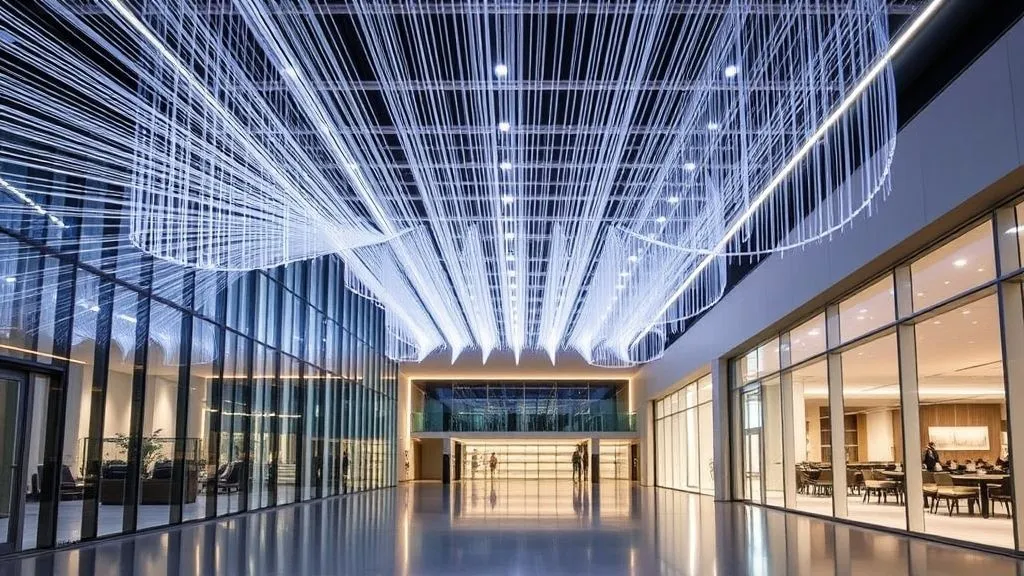
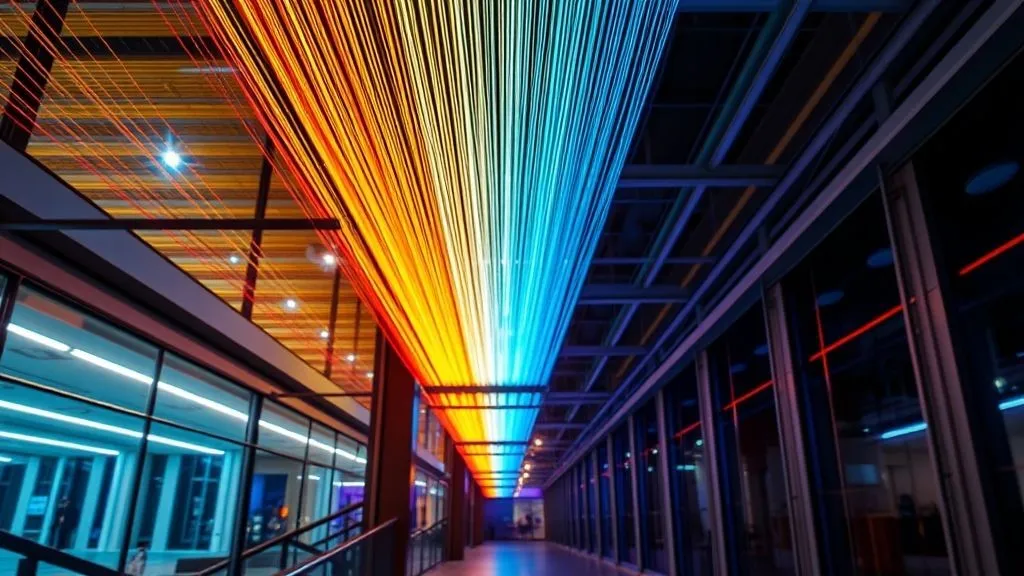
- Applications:Star Ceilings: Thousands of individual fiber ends simulate a night sky in home theaters, planetariums, or luxury suites.Linear Accent Lighting: Edge-lit walls, stair treads, handrails using side-glow fibers.Water Features: Underwater pool lights, fountains, and aquariums—immune to corrosion and leakage.Facade Lighting: Embedded fibers in concrete, glass, or composite materials for minimalist glow effects.
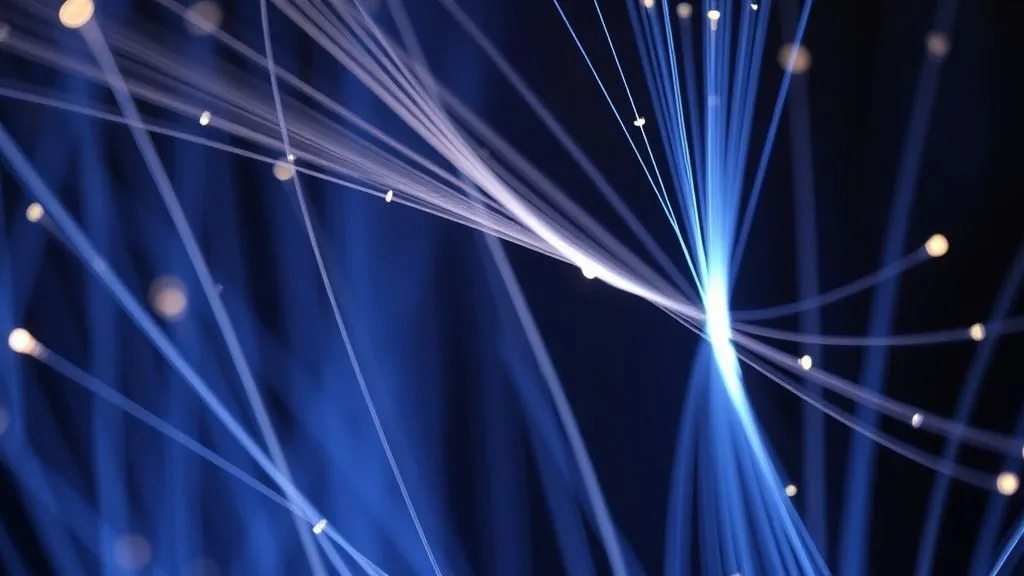
- Technical Options:End-Glow Fibers: Clear PMMA or glass fibers for pinpoint stars or spot illumination.Side-Glow Fibers: Diffused polymer fibers for continuous linear effects.Color-Changing Illuminators: Motorized color wheels or RGB LEDs for programmable ambiance.
3.4 Healthcare & Cleanroom Environments
Solution: EMI-Free Surgical and Examination Lighting
- Clinical Use Cases:Operating room task lighting near sensitive equipment (e.g., electrophysiology labs).Neonatal ICU phototherapy with zero heat exposure.Microscopy and endoscopy support lighting.
- Advantages:No interference with pacemakers, monitors, or imaging devices.Easy sterilization—fibers can be wiped down or replaced without system downtime.Vibration-free illumination for precision procedures.
3.5 Retail & Display Lighting
Solution: High-Fidelity Product Highlighting
- Features:Micro-diameter fibers (0.5–1.5 mm) for unobtrusive spotlighting of jewelry, watches, electronics, or cosmetics.High CRI illuminators (CRI >95) to render true colors and enhance visual appeal.Remote maintenance—illuminators located in service closets, minimizing disruption to store operations.
- Benefits:Protects heat-sensitive products (e.g., chocolate, wax, perfumes).Reduces cooling load compared to halogen spotlights.Enables modular, reconfigurable displays.
4. System Architecture and Components
| Component | Description | Options |
|---|---|---|
| Illuminator | Central light engine | LED (white, RGB, tunable white), Halogen, Metal Halide |
| Optical Fiber | Light transmission medium | PMMA (plastic), Glass (fused silica), Side-glow, End-glow |
| Terminations & Fixtures | Output interface | Pinpoint tips, lenses, diffusers, star plates, linear holders |
| Distribution Hub | Signal splitting | 1x8, 1x16, or custom splitter modules |
| Control System | Dimming & color management | 0–10V, DALI, DMX512, Wi-Fi/App-based |
5. Safety, Compliance & Sustainability
- Electrical Safety: Only low-voltage DC or isolated AC at illuminator; zero voltage at fiber ends (Class III SELV).
- Certifications: CE, RoHS, UL, ATEX, IP68 (for submersible variants).
- Environmental Impact:
6. Implementation Roadmap
| Phase | Duration | Key Activities |
|---|---|---|
| Phase I: Site Assessment | 1–2 weeks | Evaluate lighting needs, environmental constraints, and aesthetic goals. |
| Phase II: Design & Simulation | 2–4 weeks | Create 3D lighting layout; select fiber types, illuminators, and controls. |
| Phase III: Installation & Commissioning | 1–3 weeks | Install illuminator, route fibers, terminate fixtures, program controls. |
| Phase IV: Maintenance & Optimization | Ongoing | Annual inspection; illuminator lamp/LED replacement as needed. |
7. Economic and Operational Value
- Reduced Maintenance Costs: Illuminators accessible without dismantling displays or structures.
- Lower Cooling Load: Eliminates heat from lighting, reducing HVAC burden.
- Extended Asset Life: Protects valuable items (art, merchandise) from thermal/UV damage.
- Brand Differentiation: Unique visual experiences enhance customer engagement in retail, hospitality, and public spaces.
8. Conclusion
Fiber optic lighting transcends the limitations of conventional illumination by delivering pure, safe, and highly controllable light where it’s needed most. Whether protecting priceless artifacts, enabling safe operation in explosive environments, or creating breathtaking architectural effects, this technology offers unmatched performance and reliability. As demand grows for sustainable, intelligent, and human-centric lighting, fiber optic solutions stand at the forefront of innovation—transforming how we illuminate the world with precision, elegance, and peace of mind.
Write your comment