Introduction to Fiber Splicing in Architectural Lighting
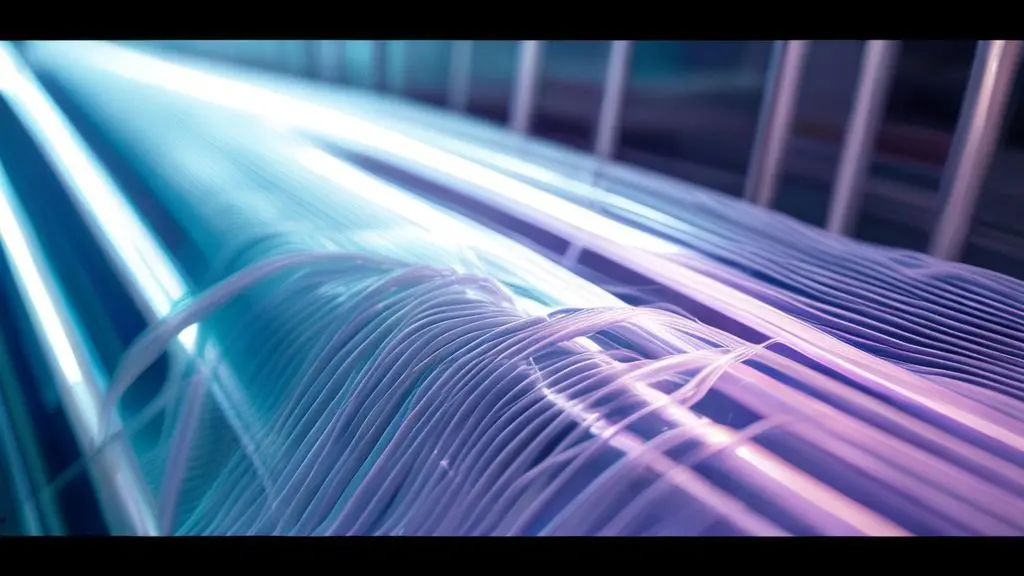
Fiber splicing is a critical process in the installation and maintenance of optical fiber systems, particularly in architectural lighting. This technique involves joining two or more optical fibers to create a continuous path for light transmission. In the context of architectural lighting, the use of PMMA (Polymethyl Methacrylate) plastic optical fibers with UV-stable jackets has become increasingly popular due to their ability to maintain consistent illumination over time.
The Importance of Consistent Illumination
Consistent illumination is crucial in architectural lighting for several reasons. It ensures that the aesthetic and functional aspects of the lighting design are maintained, providing a uniform and visually appealing environment. Inconsistent lighting can lead to uneven brightness, color shifts, and overall poor visual quality, which can detract from the intended ambiance and functionality of the space.
Challenges in Maintaining Consistent Illumination
One of the primary challenges in maintaining consistent illumination is the degradation of optical fibers over time. Exposure to environmental factors such as ultraviolet (UV) radiation, temperature fluctuations, and mechanical stress can cause the fibers to degrade, leading to a loss of light transmission and a shift in color. This is where the use of PMMA plastic optical fibers with UV-stable jackets becomes essential.
PMMA Plastic Optical Fibers with UV-Stable Jackets
PMMA plastic optical fibers are known for their excellent light transmission properties and flexibility, making them ideal for architectural lighting applications. However, to ensure long-term performance, these fibers must be protected from environmental factors. A UV-stable jacket provides this protection by shielding the fiber from UV radiation, which can cause yellowing and brittleness over time.
Technological Advantages of PMMA Optical Fibers
PMMA optical fibers offer several technological advantages that make them well-suited for architectural lighting:
- High Light Transmission: PMMA fibers have a high refractive index, allowing for efficient light transmission with minimal loss.
- Flexibility: These fibers are highly flexible, making them easy to install and route through complex architectural designs.
- Cost-Effective: Compared to other types of optical fibers, PMMA fibers are more cost-effective, making them an attractive option for large-scale lighting projects.
Market Significance and Trends
The market for architectural lighting is growing rapidly, driven by the increasing demand for energy-efficient and aesthetically pleasing lighting solutions. The use of PMMA plastic optical fibers with UV-stable jackets is becoming a key trend in this market, as it addresses the need for consistent and reliable illumination. Additionally, the integration of smart lighting technologies, such as LED and IoT (Internet of Things) systems, is further enhancing the capabilities and versatility of optical fiber-based lighting solutions.
Brand Advantages: Winners Communication
Winners Communication, a global leader in specialty optical fiber manufacturing, offers high-performance fiber solutions that meet the demanding requirements of architectural lighting. With precision engineering and strict quality control, Winners' fibers provide reliable, high-fidelity transmission of light, ensuring consistent illumination and long-lasting performance. The company's commitment to innovation and quality sets it apart from competitors, making it a trusted partner for architects, designers, and lighting professionals.
Comparison with Competitors
When compared to other manufacturers, Winners Communication stands out for several reasons:
- Superior Quality Control: Winners' rigorous quality control processes ensure that every fiber meets the highest standards of performance and reliability.
- Innovative Solutions: The company continuously invests in research and development to stay at the forefront of optical fiber technology, offering cutting-edge solutions that address the evolving needs of the market.
- Global Compliance: Winners' products comply with international standards and regulations, ensuring that they can be used in a wide range of applications and markets around the world.
Conclusion
Fiber splicing with PMMA plastic optical fibers and UV-stable jackets is a critical aspect of achieving consistent and reliable illumination in architectural lighting. By leveraging the technological and market advantages of these fibers, and by choosing a trusted manufacturer like Winners Communication, architects and lighting professionals can create high-quality, long-lasting lighting solutions that meet the demands of modern architectural design.
Write your comment